
30A Has One of the Rarest Natural Features in the World… Coastal Dune Lakes
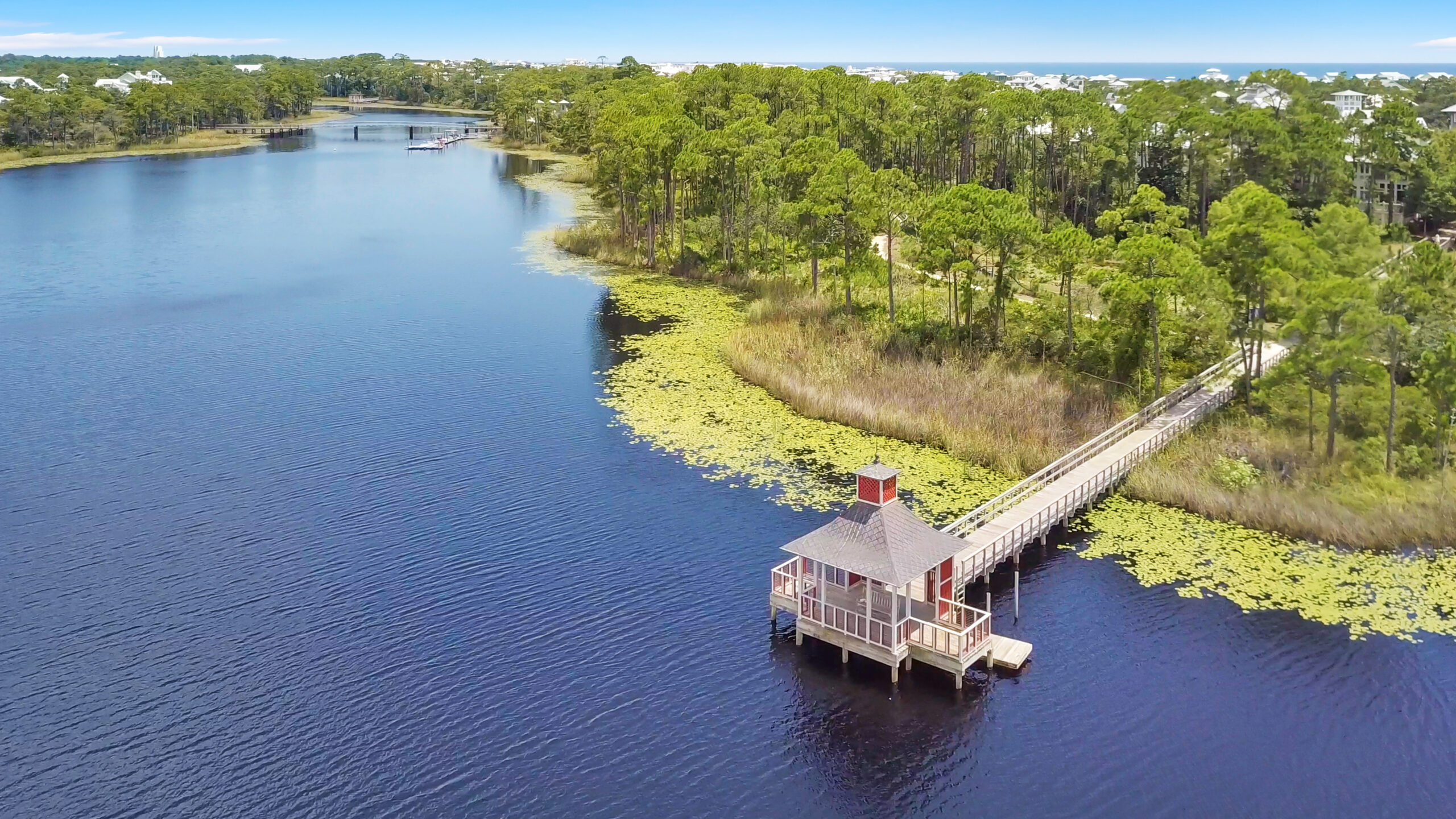
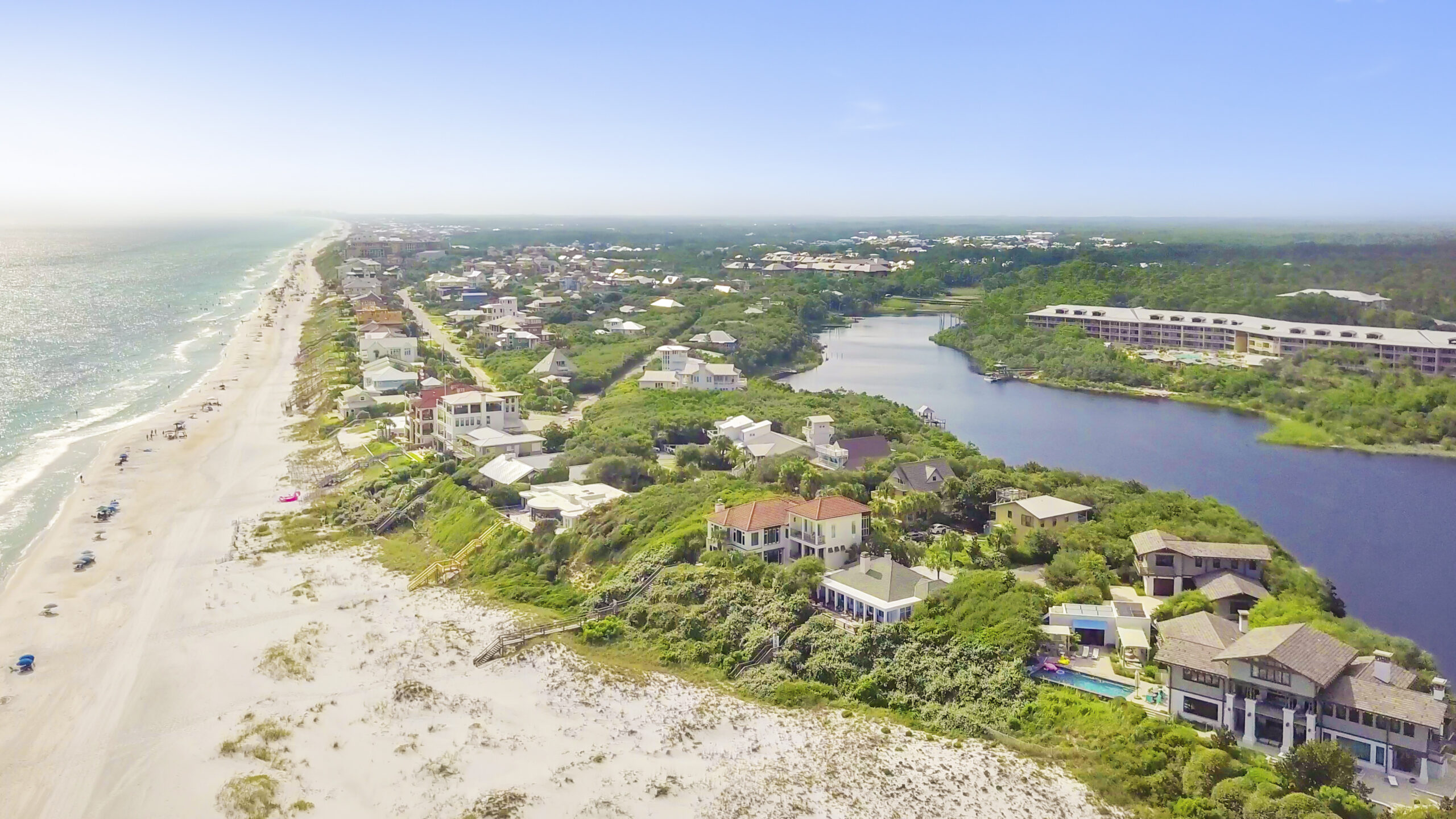
If you’ve spent any time on 30A, you’ve probably noticed these darker, calm bodies of water sitting right along the beach.
They’re called coastal dune lakes… and they’re one of the rarest natural features in the world.
You’ll only find them in a few places globally like New Zealand, Australia, Madagascar, Oregon… and right here in Walton County.
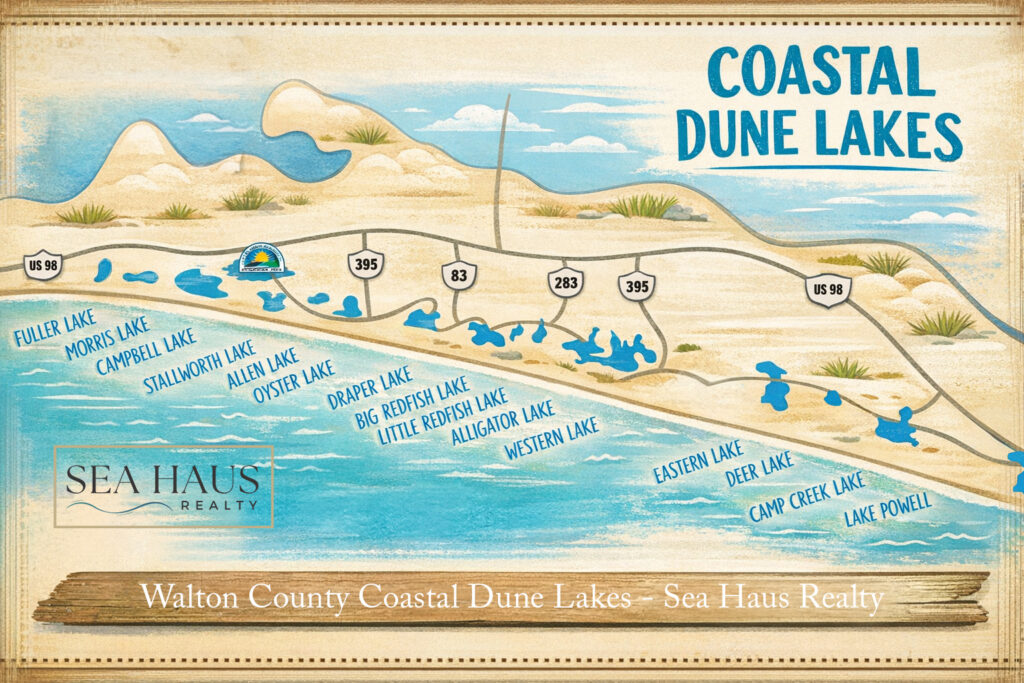
And somehow, we have 15 of them along just 26 miles of coastline.
What makes them so special?
Coastal dune lakes are this really unique mix of freshwater and saltwater.
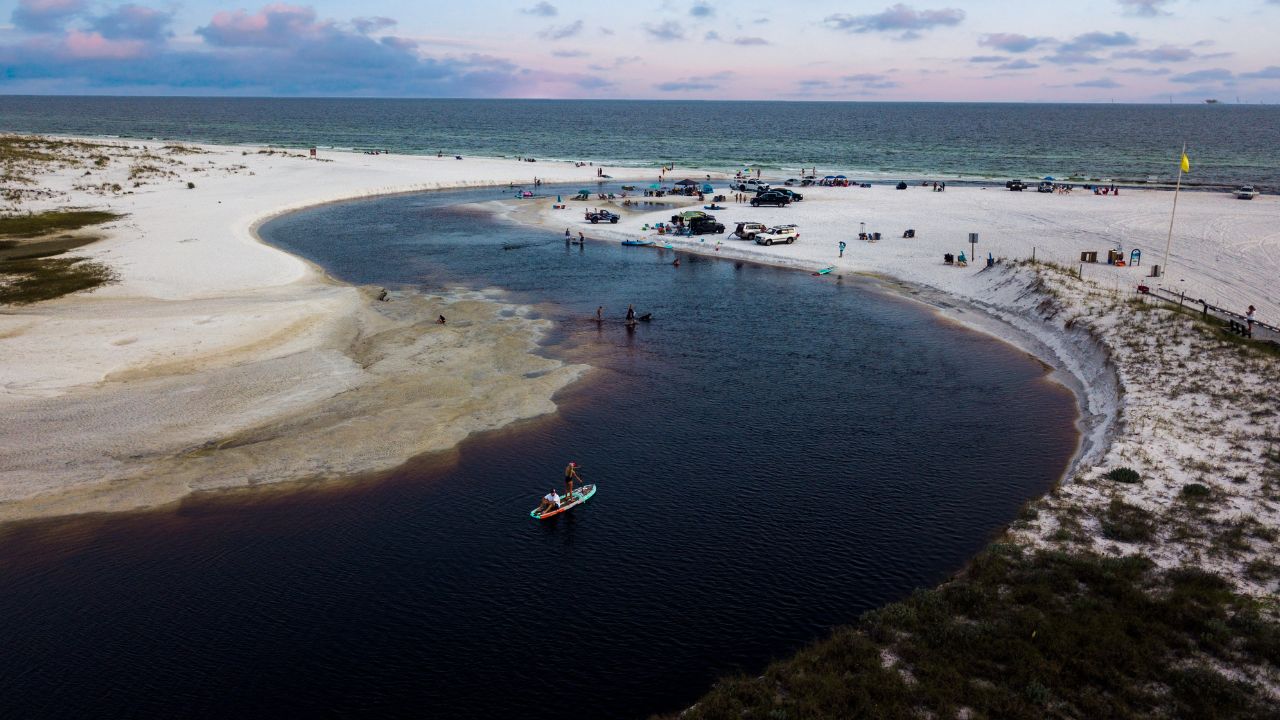
They’re fed by rain, groundwater, and small streams… but they also connect to the Gulf of Mexico through something called an outfall.
When water levels rise, the lake will actually break through the sand and flow into the Gulf. Then, depending on tides and conditions, saltwater can flow back in.
So every lake is a little different.
Some lean more freshwater, some more salty, and some sit right in between.
That constant change is what makes them so interesting… and why they support such a wide range of wildlife you wouldn’t normally see in one place.
They’ve been here a long time
These lakes are believed to be around 10,000 years old.
They were formed by wind shifting sand and creating shallow basins behind the dunes.
Most of them are only about 5 feet deep, which is wild considering how much life they support.
Why they matter
Beyond just being beautiful, these lakes actually play a big role in protecting the coastline.
They help store and filter water, reduce flooding, and create a transition between the Gulf and inland ecosystems.
They’re also home to a mix of freshwater and saltwater species that rely on that balance to survive.
How to Visit Each Lake
Fuller Lake
- Access: Private with limited public entry by reservation only
- Located within Coffen Nature Preserve
- Call ahead for access
Morris Lake
- Access through Topsail Hill Preserve State Park
- Private vessels not allowed
- Kayak, canoe, and paddleboard rentals available
Campbell Lake
- Access through Topsail Hill Preserve State Park
- Same access point as Morris Lake
- Great for kayaking and exploring
Stallworth Lake
- Access: No public access
- You can see it from 30A
Allen Lake
- Limited access along Scenic Highway 30A
- Best viewed from roadside pull-offs
Oyster Lake
- Limited access near the footbridge and along Scenic Highway 30A
- Easy to spot when driving through Dune Allen
Draper Lake
- Access: No public access
- Located in Blue Mountain Beach
Big Redfish Lake
- Small county easement trail off Blue Lake Road
- Very limited parking
Little Redfish Lake
- Access through Grayton Beach State Park
- $4 entrance fee
- Great for paddleboarding
Alligator Lake
- Access through Grayton Beach State Park
- Steeper access point
- More low-key and less visited
Western Lake
- One of the most popular and easiest to explore
- Access through Grayton Beach State Park
- Boat ramp, parking, and rentals available
- You can also access from Hotz Avenue
Eastern Lake
- County park access at Lakewood Drive and Lakeview Drive
- Parking, picnic areas, and boat launch available
Deer Lake
- Access through Deer Lake State Park
- Scenic boardwalk to the beach
- You can also access the lake from the shoreline
Camp Creek Lake
- Limited access along Scenic Highway 30A
- Located near WaterSound
Lake Powell
- Largest coastal dune lake in the area
- Located mostly in Bay County
- Access through Camp Helen State Park or Bay County public boat ramp
- Great for kayaking, fishing, and exploring
Quick tip before you go
A lot of these lakes are protected, so access can be limited depending on where you are.
- Jet-propelled watercraft are not allowed
- You need a fishing license if you’re fishing
- Disturbing an outfall requires special permits
The easiest ones to actually enjoy are:
- Western Lake
- Eastern Lake
- Deer Lake
- Lakes inside Topsail Hill Preserve
If you’re planning to kayak or paddleboard, those are your best bet.